Home / Permits
Permits

Backyard pod & ADU permits in Texas.

Do you need a permit for a backyard office, studio, or ADU? It depends on the product and your city. Here’s the plain-English breakdown for Austin and across Texas — and how we handle the whole process for you.

Permitting is the single biggest difference between our products — and the thing most homeowners worry about. The good news: for a backyard office, gym, or studio, you often need no building permit at all. For a full guest house or ADU, a permit is required — but we prepare the plans, submit them, pay the fees, and manage every inspection so you don’t have to. Below is exactly how it works, starting with Austin.

By product

Two products, two very different permit paths.
Pod Essentials and WorkPods permits

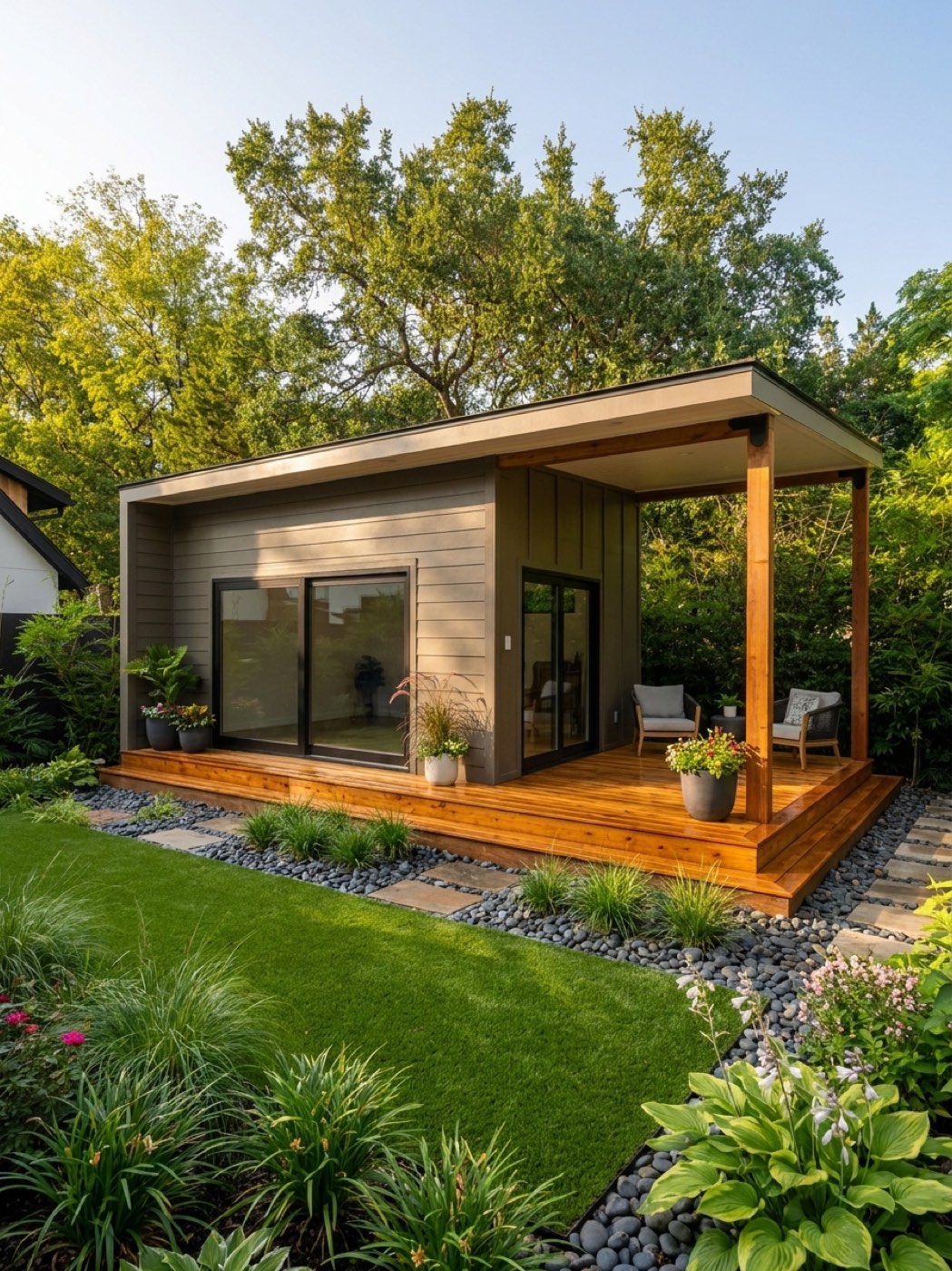
Pod Essentials & WorkPods — usually no building permit

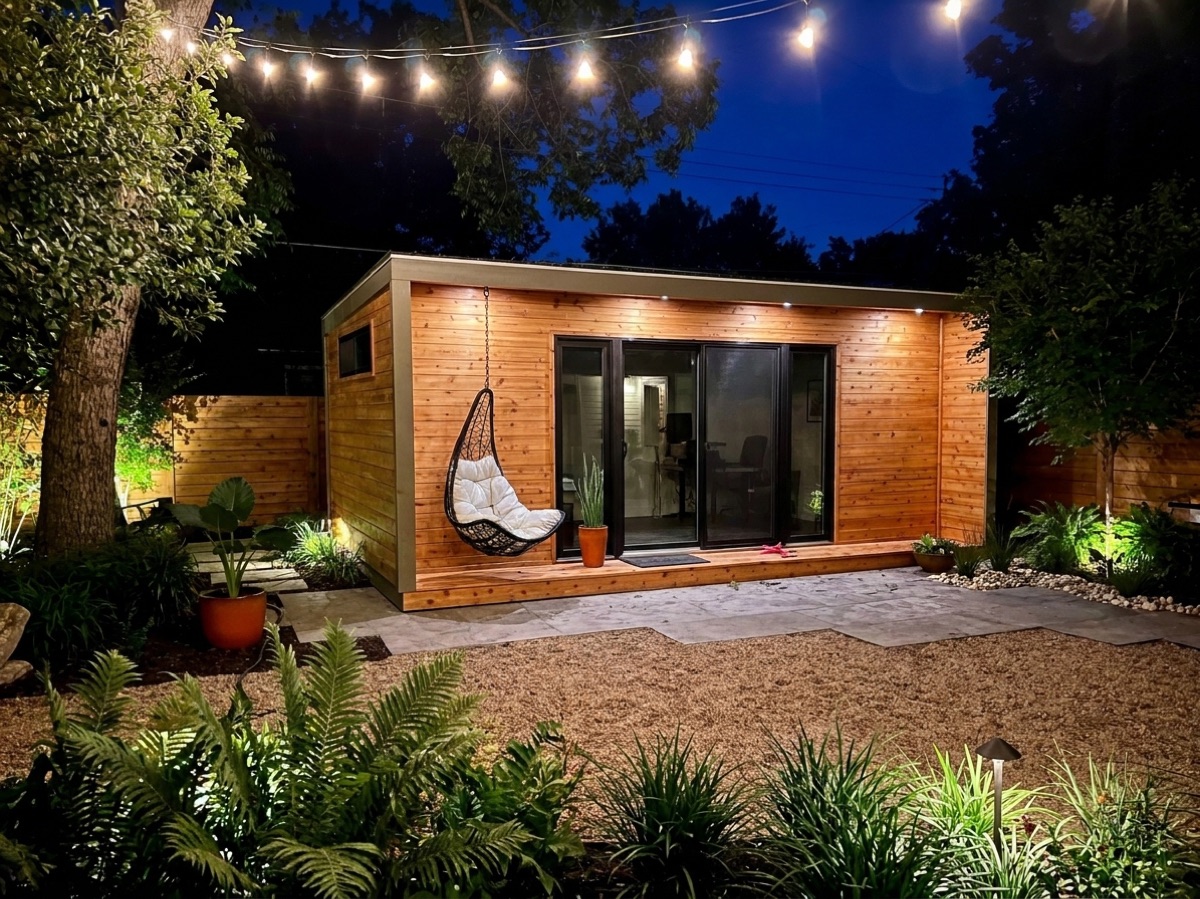
Under 200 sq ft, no plumbing, and under 15 ft tall — so in most Texas jurisdictions, including the City of Austin, no building permit is required. You typically just need trade permits (an electrical permit, plus a mechanical permit for the mini-split AC), which we file for you. Some jurisdictions require none at all.
Pod Living and Villa permits

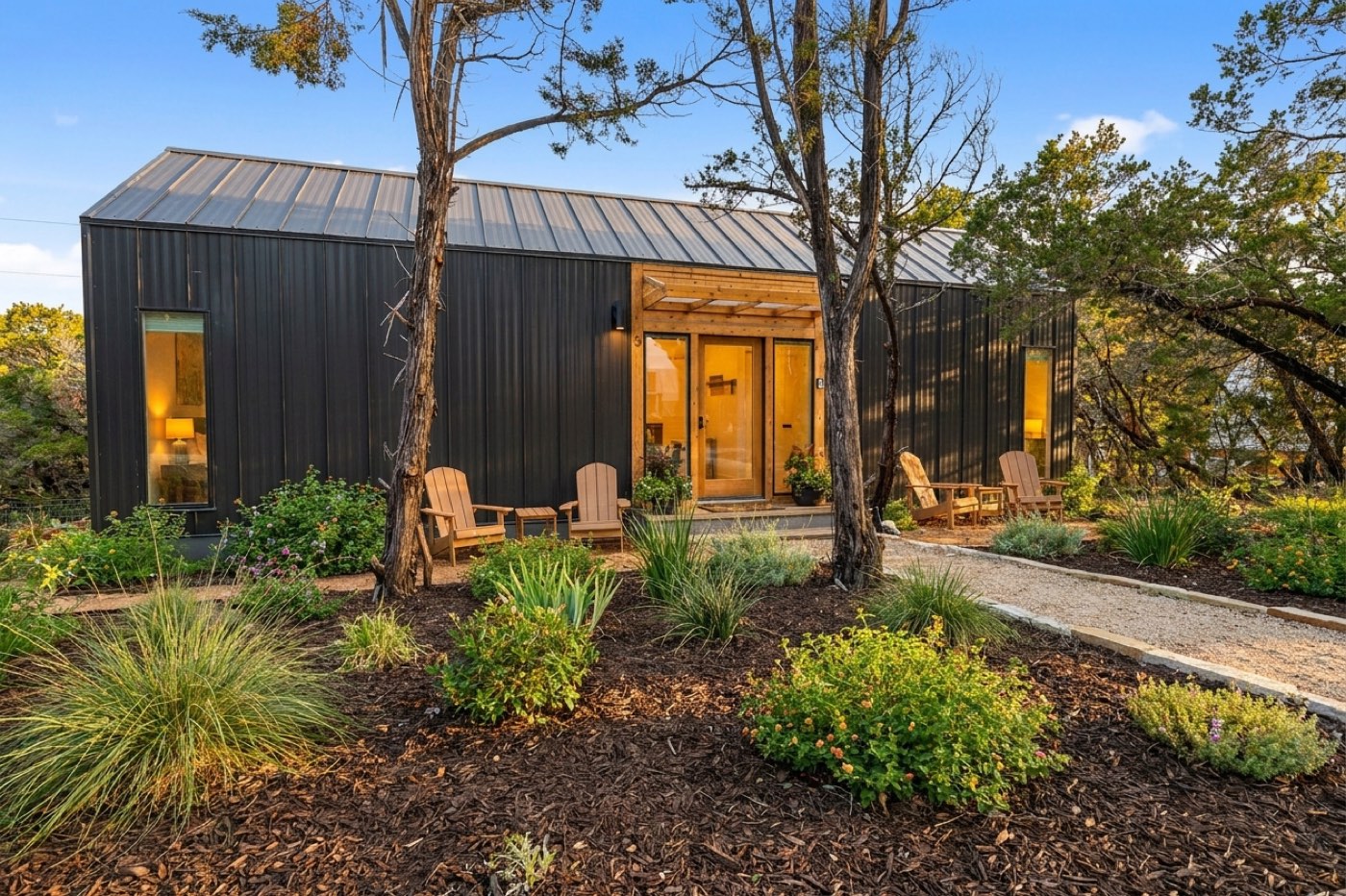
Pod Living & Villa — permitted ADUs, fully managed

With a bathroom and full utilities, these are permitted backyard ADUs. Depending on the jurisdiction we prepare a full architectural plan set — sometimes with stamped engineering — or a simpler set for lighter jurisdictions like Texas counties. We handle plans, submission, fees, and inspections end-to-end.

Building in Austin

Backyard pods in Austin.

In the City of Austin, a backyard office or studio can usually be built without a building permit — as long as it stays under 200 square feet, has no plumbing, is less than 15 feet tall, and isn’t in a flood hazard area. That’s exactly how our Pod Essentials and Autonomous WorkPods are designed. Instead of a full building permit, you typically only need trade permits — an electrical permit, plus a mechanical permit for the mini-split — which we file on your behalf. In Austin, the application usually takes just a couple of days, with inspections within about a week.

Outside Austin, it’s often even easier.

Austin is one of the more involved jurisdictions in Texas. In many surrounding areas — especially unincorporated parts of Travis County and smaller Hill Country towns — a pod of this size may need no permit application at all. As a rule of thumb, the further you are from a major city’s review process, the simpler and faster it gets. We confirm exactly what your specific address requires before you commit.

For permitted ADUs

What a permitted ADU has to account for.

Once a build has plumbing or crosses the size and height thresholds — like Pod Living and Pod Villa — it becomes a permitted accessory dwelling unit, and the plans have to satisfy local land-use rules. These vary a lot by municipality, but the big ones are:

Tree protection & critical root zones

In Austin, trees 19 inches in diameter or larger are protected, and each has a “critical root zone” of roughly one foot of radius per inch of trunk. Building, trenching, or paving inside that zone triggers review — so we plan pod placement around your trees.

Setbacks

Minimum distances a structure must sit from your property lines — commonly around 5 ft on the sides and 10 ft in the rear, though it depends on your zoning. We verify these before design.

Utility easements

Strips of your lot reserved for utilities — power, water, sewer — that you generally can’t build over. We locate them and place the pod clear of them.

Impervious coverage

Cities cap how much of your lot can be hard surface (roof, driveway, patios). In Austin that’s often around 45% on standard single-family lots — and much stricter in sensitive watersheds like the Barton Springs Zone. The pod and any new paving count toward it.

Critical water quality zones & floodplains

Near creeks, waterways, or FEMA flood zones, extra buffers and drainage or mitigation rules apply. We flag these early so you know exactly what to expect.

And more, by jurisdiction

Deed restrictions, HOA design review, driveway/right-of-way permits, and water-meter sizing can all come into play. Every city weighs these differently — which is why we run a feasibility study on your specific lot before we design anything.

By city

Permits, city by city.

A breakdown of what triggers a permit in the jurisdictions we build in most. Tap a city to expand.

Austin
A building permit is triggered when a structure is over 200 sq ft, has a bathroom or plumbing, is over 15 ft tall, or sits in a flood hazard area. Our Pod Essentials and WorkPods are designed to stay under those thresholds, so they usually qualify as work exempt from a building permit — needing only an electrical permit (and a mechanical permit if there’s AC). Pod Living and Villa are permitted as ADUs, often under Austin’s HOME initiative.
Cedar Park
Permits are required for accessory structures over 100 sq ft. Feasibility looks at protected/heritage trees and critical root zones, impervious and building coverage, setbacks and public utility easements, overhead/underground utilities, and water-meter sizing. The permit set includes sealed architectural drawings, structural engineering, and a site plan.
Round Rock
Permits are required for all accessory structures. Feasibility covers trees, impervious/building coverage, setbacks, utilities, and deed restrictions; the permit set includes sealed architectural and structural drawings plus a site plan.
Travis County
Permits are required for pods over 200 sq ft — but many unincorporated areas need no permit application at all, making the county one of the easier places to build near Austin.
Houston
A building permit is triggered over 120 sq ft, with a bathroom/plumbing, when tied into permanent electrical/mechanical systems, or in a flood hazard area or historic district. Notably, Houston allows detached ADUs up to 900 sq ft. Feasibility covers lot coverage & setbacks, impervious cover, drainage & floodplain mitigation, utilities, deed restrictions, and HOA review.
Katy
A building permit is triggered over 200 sq ft or for any structure with utilities, when taller than 15 ft, or in the Barker Reservoir floodplain / FEMA-mapped areas (built to the 2021 IRC). Setbacks are typically 5 ft side and 10 ft rear in R-1 districts, with drainage/detention calculations and utility sizing.
The Woodlands
Any detached structure needs an Improvement Request approved by the Residential Design Review Committee, regardless of size. Buildings over 120 sq ft, or with HVAC/plumbing/foundations, need committee review; structures 400 sq ft or larger need sealed drawings. Trade permits come from Montgomery or Harris County, plus a floodplain development permit where applicable.
Harris County
Accessory structures with plumbing/electrical, or over ~120 sq ft, need a Residential Development Permit, plus separate trade permits. Floodplain development and driveway/right-of-way permits may apply. Default setbacks are around 5 ft side and rear in unincorporated areas.
Somewhere else in Texas?
We permit statewide — Cedar Park, Georgetown, San Antonio, New Braunfels, Wimberley, Dripping Springs, Bee Cave, Pflugerville, Bastrop, and beyond. Reach out and we’ll confirm exactly what your city or county requires.

Typical permitted-ADU timeline: 4–8 weeks to prepare the plan set, ~2–3 weeks for city review, plus ~2 weeks if the city returns comments. Typical costs: $3,500–$7,000 for the plan set, $500–$1,000 for engineering where required, and a permit-fee allowance we reconcile to the city’s actual fees. Trade-permit-only pods (most Essentials & WorkPods) are far faster and cheaper.
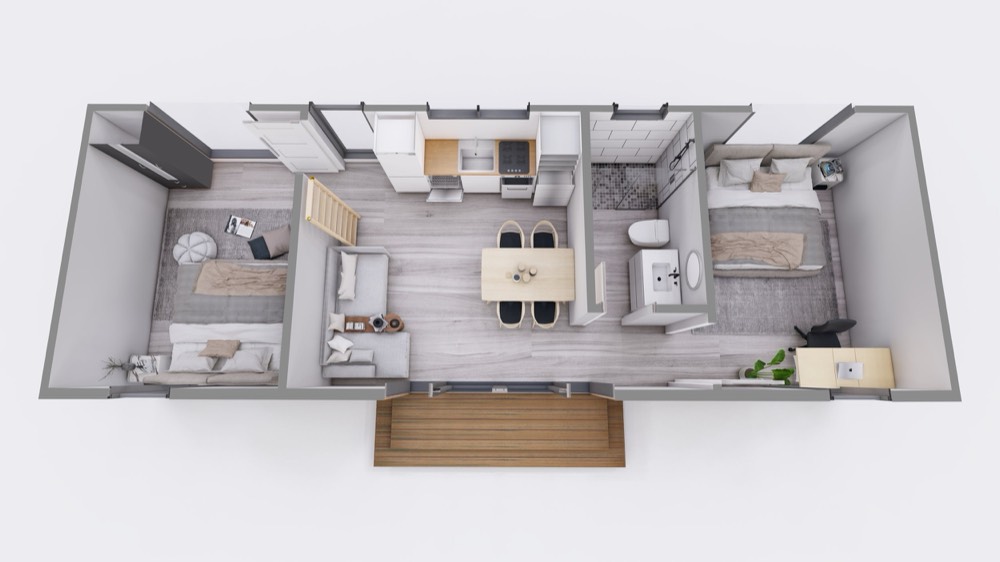
Austin HOME Initiative

Up to 3 units per lot.

Austin’s HOME Initiative lets many lots add up to three units, making it easier than ever to add a permitted ADU in the backyard. We permit under HOME regularly — and we’ll tell you exactly what your lot qualifies for.

See our Austin page
Questions

Permit FAQ.

Do I need a permit for a backyard office in Austin?
Usually not for a Pod Essentials or WorkPod. If it’s under 200 sq ft, has no plumbing, is under 15 ft tall, and isn’t in a flood zone, it typically qualifies as work exempt from a building permit — you’ll just need electrical (and mechanical) trade permits, which we file for you.
Is it easier to build outside Austin?
Often, yes. Unincorporated counties and smaller towns tend to have lighter requirements, and some need no permit application at all for a small pod. Austin is one of the more involved jurisdictions in the region.
Do Pod Living and Pod Villa need a permit?
Yes — they’re permitted ADUs. We prepare the plan set (with stamped engineering where required), submit it, pay the fees, and manage inspections from start to finish.
How long does permitting take?
For a permitted ADU, plan preparation typically runs 4–8 weeks, city review about 2–3 weeks, plus roughly 2 weeks if the city returns comments. Trade-permit-only pods are much faster.
How much do ADU permits cost?
Plan sets typically run $3,500–$7,000, engineering $500–$1,000 where required, and we budget a permit-fee allowance that’s reconciled to the city’s actual fees. Every jurisdiction prices differently, and we spell it out for your address up front.
What is a critical root zone or impervious cover?
A critical root zone is the protected area around a tree (in Austin, about one foot of radius per inch of trunk diameter) that construction has to work around. Impervious cover is the share of your lot covered by hard surfaces like roofs and driveways, which cities cap — often around 45% in Austin, stricter in sensitive watersheds.
My city isn’t listed — can you still help?
Yes. We permit across Texas and start every project with a feasibility study on your specific lot, so we know exactly what your jurisdiction requires before we design anything.

We’ll handle the paperwork.

Get a free estimate — we’ll confirm exactly what your address requires.

{WIDGET}