Backyard Pod Uses Explained:
Office, Guest Suite, or Rental in 2026
If you’re thinking about adding a Backyard Pod in 2026, one big question usually comes first:
How should I actually use it?
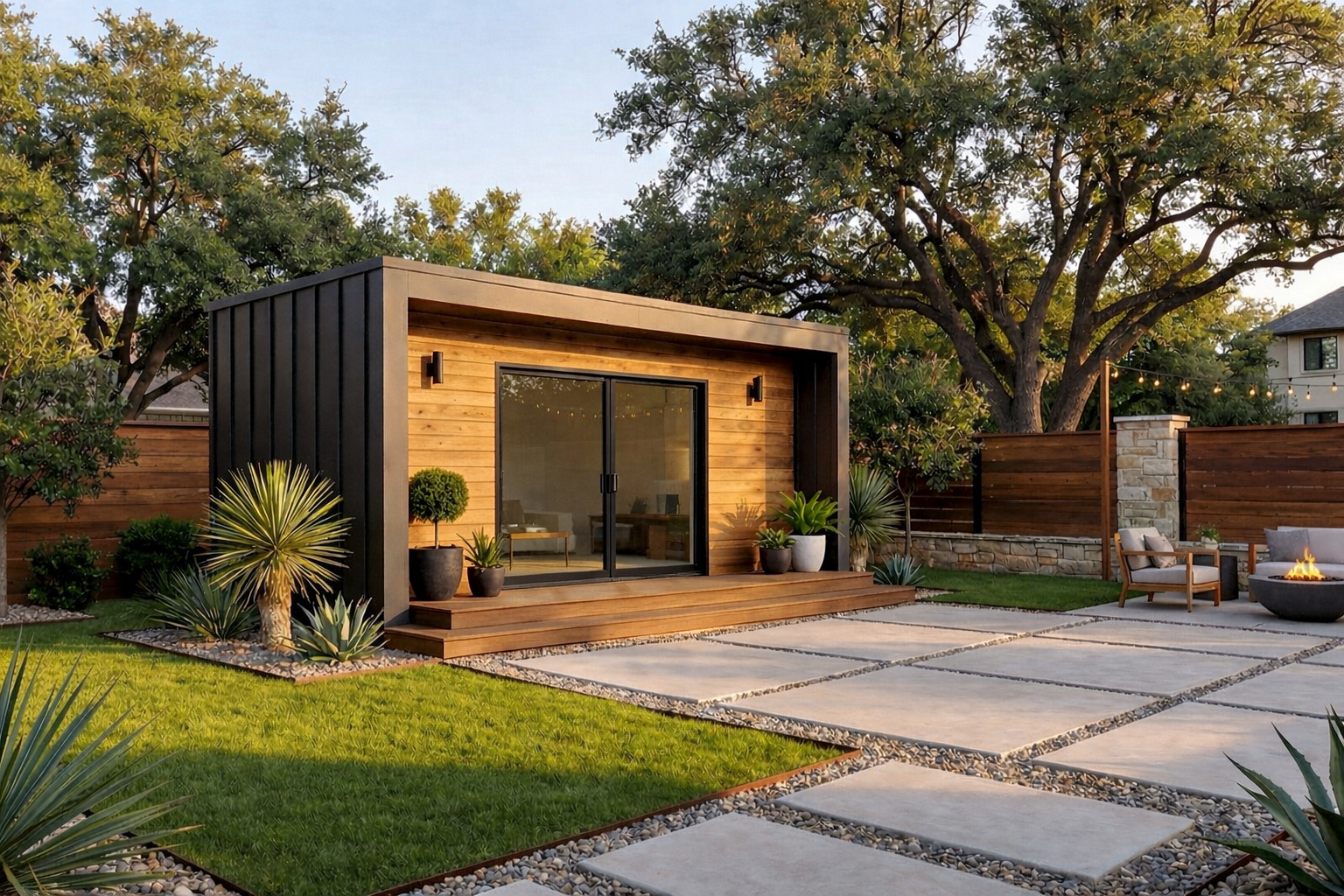
The good news? A Backyard Pod isn’t a one-purpose structure. It’s designed to adapt—whether you need a quiet office today, space for guests tomorrow, or rental income down the line.
This guide breaks down the three most searched and practical Backyard Pod uses—office, guest suite, and rental—so you can decide what fits your life now and still works for the future.
Why “Backyard Pod Uses” Is a Top Search in 2026
Based on common Google and SEO patterns, homeowners searching in 2026 are looking for:
“What can I use a backyard pod for?”
“Backyard office vs rental ADU”
“Is a backyard pod worth it?”
That tells us one thing:
People don’t just want extra space — they want flexibility, ROI, and clarity before building.
Let’s break it down.
Option 1: Backyard Pod as a Home Office
Best for: Remote workers, business owners, creatives, focused workdays
Using a Backyard Pod as an office is one of the most searched backyard pod uses.
Why it works
Physically separates work from home
Reduces distractions and interruptions
Adds professional-grade workspace without remodeling
What makes a Pod office different
Dedicated entrance
Sound separation
Natural light + intentional layout
Many homeowners start with an office and later convert the Pod into a rental or guest suite—without rebuilding.
Option 2: Backyard Pod as a Guest Suite
Best for: Visiting family, multigenerational living, hosting without stress
A Backyard Pod guest suite offers privacy—for you and your guests.
Why homeowners love this option
Guests have their own space
No disruption to the main house
Comfortable for short or extended stays
Common guest suite uses
Visiting parents or adult children
Holiday hosting
Transitional living arrangements
In many cases, a guest suite later becomes a rental—making it a smart long-term move.
Option 3: Backyard Pod as a Rental
Best for: Income-focused homeowners, long-term planners
Using a Backyard Pod as a rental is one of the highest-intent search topics right now.
Rental use options
Long-term rental
Short-term stays (where allowed)
Hybrid personal + rental use
Why Pods work well as rentals
Separate living space
Strong demand for private units
Lower cost compared to full home additions
Even homeowners who don’t plan to rent immediately often design their Pod to be rental-ready in the future.
Here’s a simple way homeowners decide:
Choose an Office if:
You work from home regularly
Focus and productivity matter
You want immediate daily use
Choose a Guest Suite if:
You host family often
Privacy is important
You want flexibility without committing to renting
Choose a Rental if:
Income is a priority
You’re planning long-term ROI
You want the Pod to offset ownership costs
👉 Most homeowners don’t choose just one.
They start with personal use and design the Pod to adapt over time.
Which Backyard Pod Use Is Right for You?
Why Flexible Use Matters in 2026
Homeowners are moving away from single-purpose builds.
A well-designed Backyard Pod can transition from:
Office → Guest suite
Guest suite → Rental
Rental → Personal use
That flexibility protects your investment and keeps your options open as life changes.
Planning the Right Pod Layout
The key isn’t choosing one use — it’s choosing a layout that supports multiple uses.
When planning, consider:
Bathroom placement
Storage needs
Entry access
Utility readiness
This is where early planning makes a big difference.
Key Takeaways
Backyard Pods serve multiple purposes
Office, guest suite, and rental are the top uses in 2026
Flexible design protects long-term value
You don’t have to lock into one use forever

Get Your Backyard Office for Just $189/month
We partner with local lenders to offer up to 80% financing based on the combined value of your home and new Pod, with monthly costs starting as low as $189.
Every property is different—and so are homeowner goals.
👉 Book a free Backyard Pod consultation to explore layout options, future flexibility, and what makes the most sense for your yard in 2026.