How a Backyard Pod Can Pay for Itself in 2026: Rental & ROI Breakdown
Backyard Pods aren’t just extra space anymore — in 2026, they’re becoming one of the smartest property investments homeowners can make in Texas.
Whether you’re exploring short-term rentals, long-term tenants, or flexible guest use, this guide breaks down how a Backyard Pod can realistically pay for itself, without hype or complicated math.
Let’s walk through the numbers, use cases, and timeline — clearly and simply.
Why Homeowners Are Looking at Backyard Pods as Investments
Rising home prices, high remodel costs, and rental demand have changed how people think about space.
Instead of moving or adding onto the main home, more homeowners are choosing Backyard Pods because they:
Cost less than traditional additions
Create separate, rentable space
Increase property value
Offer flexibility if plans change
A Pod can work for you now — and earn for you later.
The 3 Most Common Ways a Backyard Pod Generates Income
Many homeowners use Backyard Pods as:
Airbnb units
Weekend rentals
Event-based stays
Why this works well:
Private entrance
Separate living space
Strong demand in Texas metros
Depending on location and finishes, short-term rentals can generate consistent monthly income during peak seasons.
1. Short-Term Rentals (STR)
Some homeowners prefer stability over turnover.
A Backyard Pod works well as:
A long-term rental unit
Housing for professionals or students
Multigenerational living with income potential later
This option often delivers:
Predictable monthly cash flow
Lower management effort
Strong tenant demand
2. Long-Term Rentals
This is the most popular approach.
Use your Pod as:
A guest suite or home office now
A rental unit later
A flexible space that adapts as life changes
When you don’t need it personally, it can help offset costs or generate income.
3. Hybrid Use (Personal + Income)
How a Backyard Pod Pays for Itself
(Simple Breakdown)
Rather than exact numbers (which vary by city and usage), here’s how most homeowners see ROI:
Step 1: Initial Investment
Your Backyard Pod investment includes:
Design & construction
Utility connections
Permits and site prep
Compared to full home additions, Pods are often more predictable in cost.
Step 2: Monthly Income Potential
Rental income contributes to:
Covering monthly expenses
Offsetting financing
Reducing the effective cost of ownership
Over time, that income adds up — especially when paired with property appreciation.
Step 3: Long-Term Value
Even if rental income fluctuates:
The Pod remains a permanent asset
Your property gains functional square footage
Resale value often improves due to added flexibility
ROI isn’t just about cash flow — it’s also about options.
Homeowners planning ahead in 2026 benefit from:
Better budgeting and financing alignment
Earlier rental readiness
Avoiding peak construction congestion
Starting sooner means:
Less delay
More usable months
Faster return potential.
Is a Backyard Pod Right for Your Property?
A Pod works best if:
Your yard allows for proper access and utilities
You want flexible use, not just rental-only space
You value privacy between the main home and rental unit
A site evaluation is the easiest way to determine feasibility before committing.
Why 2026 Is a Smart Year to Build
Key Takeaways
Backyard Pod can generate income in multiple ways
ROI comes from rental + property value + flexibility
2026 is a strategic time to plan and build
A Pod doesn’t lock you into one use — it grows with your needs
POD STUDIOS
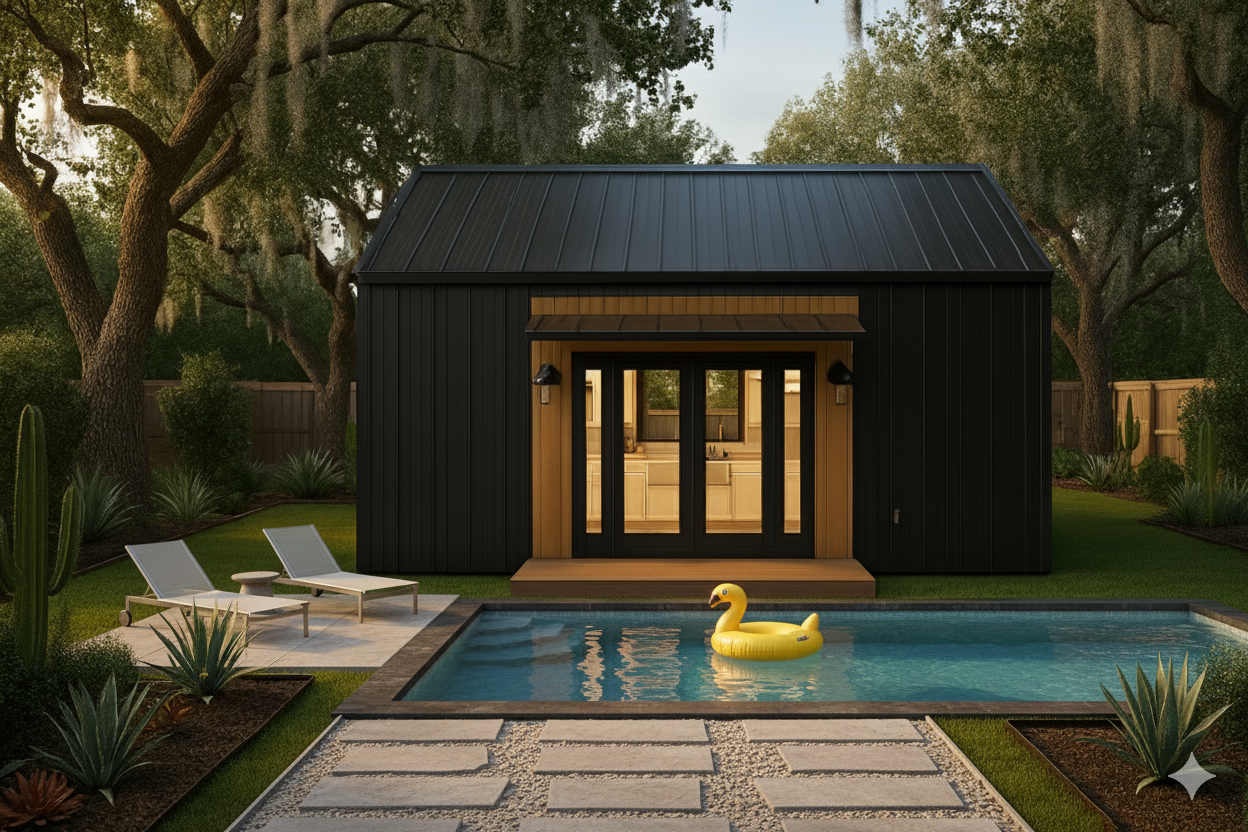
Designed to maximize functionality and comfort in compact footprints. Whether you need a home office, a private guest suite, or a rental unit that generates income, these turnkey spaces deliver flexibility and long-term value. Available in multiple layouts—you can choose the design that best fits your property and lifestyle.
Office Client Testimonial:
Every property is different — and so is every ROI path.
👉 Book a free Backyard Pod consultation to explore layout options, rental potential, and timelines tailored to your property.